
Key Takeaways
- Play-based learning helps young children build early academic, social, and self-help skills in ways that feel natural.
- A warm preschool setting can support kindergarten readiness through routines, group learning, creative play, and guided independence.
- Jewish values, traditions, and community experiences can give children a strong sense of identity while they learn.
- Families in Thornhill often look for programs that balance nurturing care, structure, and age-appropriate learning.
Jewish preschool in Thornhill is more than a place where children spend the day. For many families, it is where the first steps toward school readiness begin. Parents want to know their child will be cared for, guided, and given room to grow before kindergarten starts.
At this stage, children learn best when they are active, curious, and engaged. Play-based learning supports that process by helping them practice language, social skills, early problem-solving, and independence during everyday experiences. In a setting rooted in Jewish life and community, those lessons can also feel personal and familiar, which matters to both children and parents.
Why Play-Based Learning Matters Before Kindergarten
Young children do not learn best by sitting still for long stretches or by being pushed into formal academics too early. They learn through movement, repetition, conversation, pretend play, songs, art, stories, and hands-on discovery. When a child pours water between cups, builds a tower, sorts blocks by colour, or acts out a story in dramatic play, real learning is taking place.
Kindergarten asks children to do many things at once. They need to listen in a group, express their needs, follow routines, share space, try new tasks, and recover from small frustrations. Play-based learning gives them practice in all of these areas before they enter a larger classroom.
You can often spot this growth in small moments. A child who once grabbed the only red truck may pause and say, “Can I have it when you’re done?” That is social learning. A child who remembers to hang up a backpack, wash hands, and join circle time is building independence. These are the kinds of skills that help the transition to kindergarten feel less overwhelming.
Building Social Confidence Through Everyday Play
One of the biggest parts of kindergarten readiness is learning how to be with other children and trusted adults in a group setting. That does not happen all at once. It grows over time through daily interactions.
In a strong play-based environment, children practice:
- taking turns
- listening to others
- joining group activities
- solving simple conflicts with support
- expressing feelings with words
Picture a small group gathered around a sensory table on a winter morning in Thornhill. One child wants the scoop, another wants the same spot, and a third is quietly watching. A caring educator steps in, helps the children talk it through, and guides them back into play. Nothing about that moment looks formal, yet it teaches patience, language, and cooperation.
This is one reason many families searching for a Jewish preschool in Thornhill are looking beyond basic childcare. They want a place where children are gently taught how to participate, connect, and feel part of a classroom community.
Encouraging Language, Early Thinking, and Curiosity
Kindergarten readiness includes early literacy and numeracy, but young children do not need pressure to build these foundations. They need conversation, repetition, and experiences that feel meaningful.
Language grows when educators read aloud, ask open-ended questions, sing songs, and encourage children to describe what they are doing. Early math takes root when children count snack items, compare block sizes, or sort objects by shape. A child setting the table may count cups without realizing it. Another may notice there are more blue blocks than yellow ones in the building area.
Parents sometimes worry that play-based learning means children are “just playing.” Well-planned play is where deep learning often starts. It helps children grow comfortable asking questions, trying ideas, and staying with a task long enough to work through it.
Supporting Independence in a Caring Preschool Setting
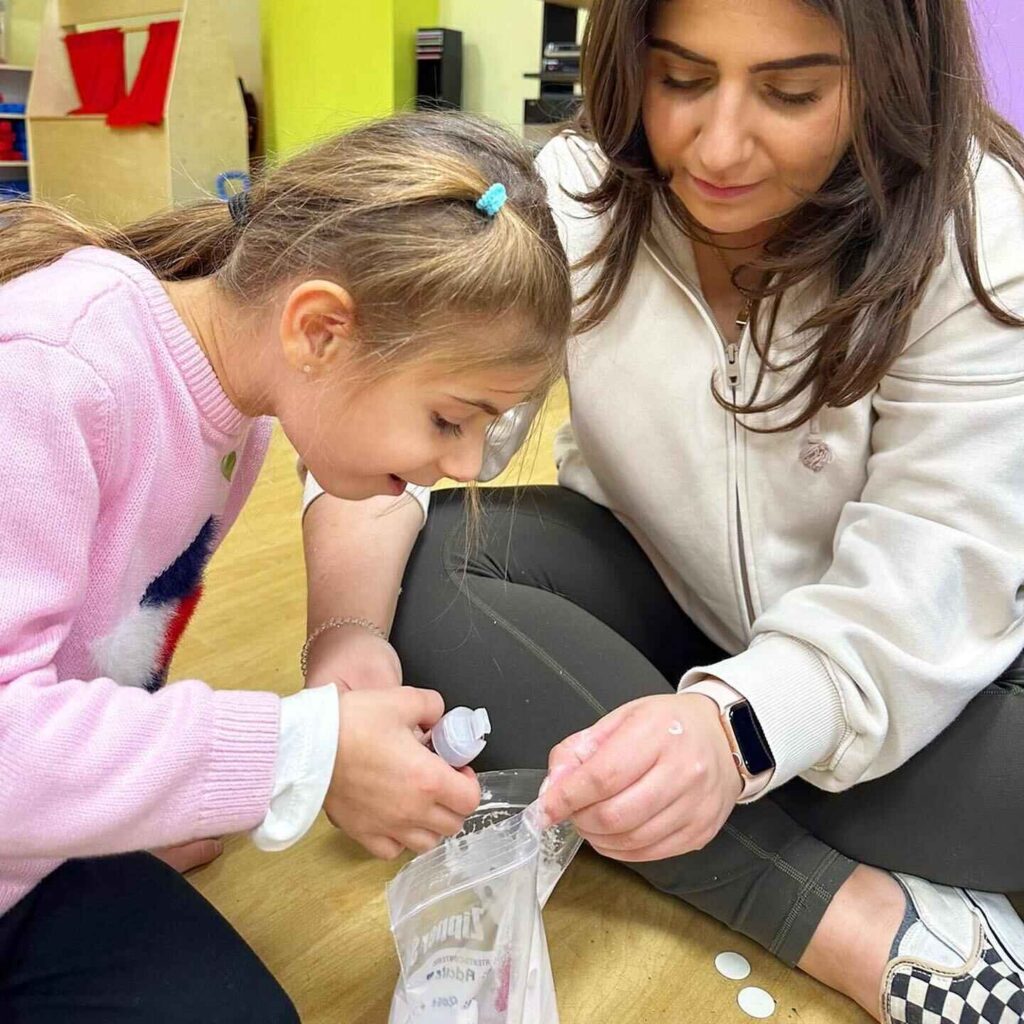
A smooth start to kindergarten requires more than knowing letters and numbers. Your child also needs to manage small daily responsibilities, like putting on shoes, opening lunch containers, and following simple directions.
These habits grow naturally through predictable routines. When the day has a rhythm your child can trust, it lowers stress and builds confidence. You might notice this progress in ordinary moments. Maybe your child zips a coat without help or joins the class without tears. These small steps show they are becoming more capable in a group setting.
Our Jewish preschool in Thornhill supports this growth by offering a warm environment. With caring educators and familiar routines, your child gets the chance to take manageable steps toward independence.
Connecting Learning With Jewish Life and Community
For families seeking a Jewish preschool, kindergarten preparation is only part of the picture. Many also want their child’s early school experience to reflect Jewish values, traditions, and a sense of belonging.
Children absorb so much through songs, holiday celebrations, and shared classroom rituals. Lighting candles for Shabbat, hearing Hebrew words, and joining holiday activities help them feel part of something larger than themselves.
In this environment, learning feels natural. When a child helps make challah, creates holiday art, or sings familiar songs, they are building language, memory, fine motor skills, and social confidence all at once. The learning blends seamlessly with their world instead of feeling separate.
This approach matters to many parents who want their child’s Jewish identity and kindergarten readiness to grow together. When home, school, and community feel connected, children gain both confidence and a strong sense of belonging.
What Parents Often Notice Before Kindergarten Starts
As preschoolers grow, families usually see changes little by little. These shifts can be easy to miss when you are in the middle of busy mornings and pickup conversations, but they add up.
You may notice your child:
- speaking more clearly about feelings and needs
- showing interest in books, songs, and classroom stories
- Becoming more comfortable with routines
- playing cooperatively for longer stretches
- trying tasks alone before asking for help
Kindergarten teachers often look for these everyday abilities because they support learning across the whole day. Children who can listen, transition, communicate, and participate are often better able to settle into the school experience.
| Area of Growth | How Play-Based Learning Supports It | Why It Helps With Kindergarten |
| Social Skills | Group play, sharing, guided conflict resolution | Helps children join classroom routines and build friendships |
| Language Development | Stories, songs, conversations, dramatic play | Supports listening, speaking, and early literacy |
| Early Thinking Skills | Sorting, counting, building, problem-solving activities | Prepares children for classroom learning and participation |
| Independence | Daily routines, self-help tasks, transitions | Builds confidence with everyday school expectations |
| Jewish Identity and Belonging | Holidays, songs, Hebrew exposure, community experiences | Helps children feel connected and secure in their environment |
If you are looking for a preschool experience that helps your child grow in confidence before kindergarten, Ace Daycare offers play-based learning offers a strong foundation. It gives children room to develop social ease, curiosity, communication skills, and independence through daily experiences that fit their age and stage.
For families who want that preparation in a warm community setting, a Jewish preschool in Thornhill can offer something deeply meaningful. Your child is not only getting ready for the next classroom. They are learning how to participate, connect, and feel at home while they grow.