
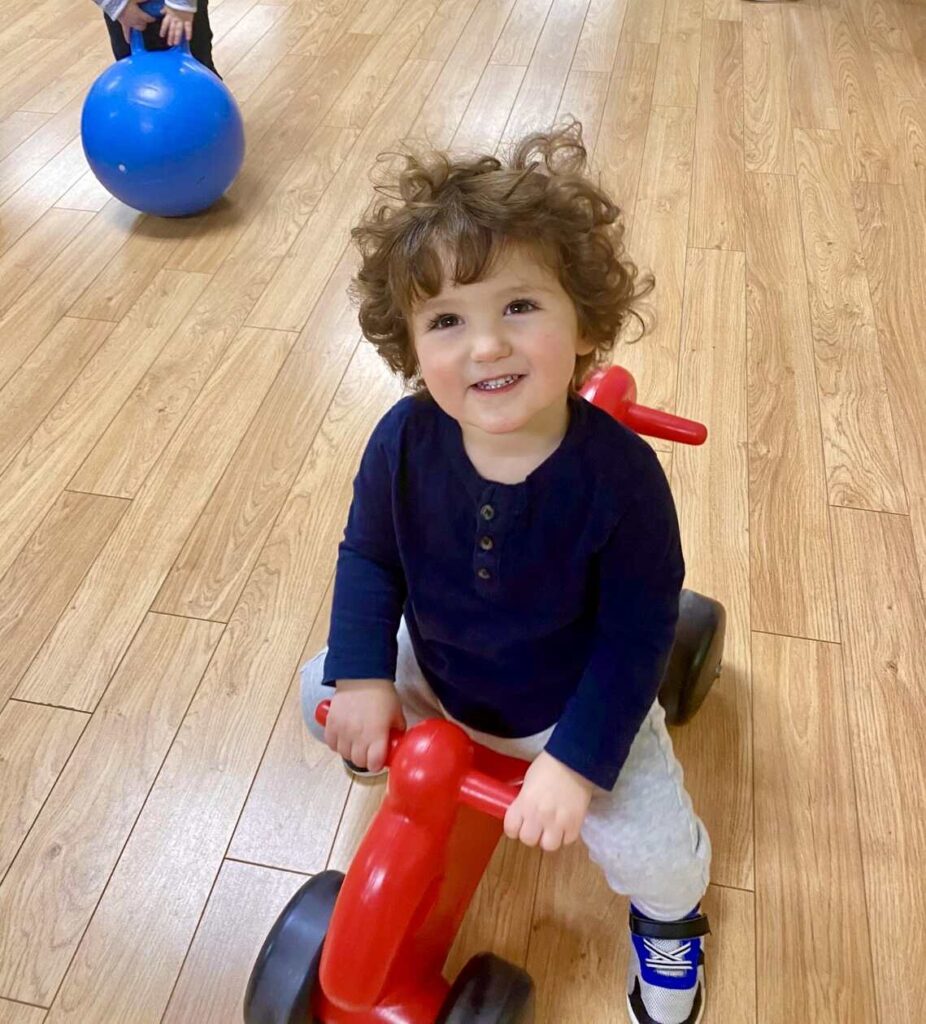
We at ACE Daycare understand that toddlerhood can be one of the most exciting phases of early childhood. It is also one of the most crucial. Children develop rapidly between the ages of one and three. They also grow socially and emotionally. Parents will notice a lot of changes in their children’s speech during this period. Every day, new words are added, toddlers begin to form phrases and their communication becomes more personal.
We are a toddler daycare in Thornhill that supports speech and language development by using play-based learning and daily routines. We also foster strong relationships between educators and children. We strive to create a safe environment for toddlers to feel heard and encouraged to speak at their own pace.
Why Speech and Language Development Matters in the Toddler Years
Toddlers are doing so much more than just picking up new words, they are discovering how to use their voices to truly connect with the people around them. This is the age where they start telling us what they need, sharing how they feel, asking curious questions, and responding to the big world they live in. When a child feels confident speaking, it helps everything else fall into place, from better behavior and self-esteem to making friends and getting ready for school later on.
We believe language should grow naturally. Instead of sitting children down for “lessons,” we find little moments throughout the day to make talking feel like a fun and natural part of life.
We Chat All Day Long, Not Just at Story Time
Language isn’t something that only happens when we open a book. It happens while we’re sharing a snack, playing outside, or even tidying up the toys. Our teachers are always talking with the children, using clear and gentle words to keep the conversation going.
We love to describe what the children are doing as they play, which helps them match new words to their actions. This constant, friendly chatter helps toddlers understand more of what they hear and gives them the confidence to start saying more themselves.
Modeling Speech with Love and Encouragement
We never want a toddler to feel pressured to get their words “just right.” At ACE, we focus on being supportive models. When a child shares a short thought, we gently expand on it to show them how sentences fit together, adding a few new descriptive words along the way.
For example:
Toddler: “Truck!”
Educator: “Yes! You found the big, shiny red truck!”
By responding this way, we celebrate what the child has said while helping them grow their vocabulary in a way that feels like a natural, happy conversation.
Why Social Interaction Helps Toddlers Learn to Communicate
Daycare has the advantage of allowing toddlers to learn from their peers as well as from educators. Every day, our children are exposed to a variety of words and communication styles. This exposure helps toddlers learn vocabulary and how language functions in social situations.
As toddlers start interacting more they begin to practice communication skills such as:
- Request toys
- Using simple words to express feelings
- Learn “my turn” & “your turn”.
- Children who are not able to respond appropriately
- Using words instead of gestures
We support these moments as a toddler daycare in Thornhil. Our educators encourage toddlers to speak when they can, particularly during group play, sharing and problem solving.
How Play Helps Toddlers Learn to Talk and Build Their Words
Pretend Play Gets Toddlers Talking More
When toddlers play pretend, they naturally talk more because it feels safe and joyful. Imagination opens the door to storytelling, and storytelling brings new words along with it.
We set up play spaces that invite toddlers to chat and express themselves, including:
- toy kitchens with pretend food
- dolls and baby care supplies
- animal figures
- blocks and building materials
- dress-up clothes and accessories
Our teachers join in the play and gently add new words as things unfold. This way, toddlers pick up fresh vocabulary while staying happy and in charge of their own playtime.
Sensory Play Helps Toddlers Find the Right Words
Sensory play is wonderful for speech because toddlers naturally want to talk about what they’re touching and experiencing. Whether they’re painting, squishing playdough, or splashing in water, sensory activities bring out descriptive language.
Through these activities, toddlers start learning words like:
- wet, dry, soft, sticky
- big, small, heavy
- more, less, full, empty
We believe that toddlers should explore and share what they discover, keeping play fun and pressure-free.
Stories Help Toddlers Listen and Understand
Reading together every day is one of the best gifts we can give for language growth. Our story time is interactive and engaging. We invite toddlers to point at pictures, name what they see, say words along with us, and answer simple questions.
Books help toddlers grow in:
- listening and focus
- understanding what they hear
- learning new words and how to say them
- recognizing patterns and routines
Even quiet toddlers are soaking up language during stories. Many children gradually start asking for favorite books, repeating words they love, and naming things they recognize with pride.
Songs and Music Make Learning Stick
Music is a special part of our toddler days. Songs and rhymes help toddlers practice sounds, rhythm, and how words fit together. When we repeat songs, the words become easier to remember, and music makes those words feel happy and special.
Singing also builds confidence. Toddlers often feel braver trying out new words when they’re singing, especially if they’re still getting comfortable with talking.
Everyday Routines to Improve Communication Skills
Our toddler daycare in Thornhill follows a consistent schedule. It not only helps the toddlers to feel safe, but also promotes language development. Children who hear the same phrases every day will begin to understand them better and eventually use these words on their own.
The following are some of the phrases that toddlers quickly learn.
- “Wash hands”
- “Time for a snack”
- “Shoes on”
- “Clean up”
- “All done”
- Let’s go outside
The repetition of words strengthens the language in a natural way. This helps children communicate their needs better, which reduces frustration.
Parents often notice their toddlers using these phrases in the home. This is a good sign that your child’s speech and understanding are growing in real life.
Supporting Each Child’s Communication Style
It is known that toddlers speak at different rates. Some toddlers talk very early. Some children are more observant, and they take longer to speak confidently. We respect each child’s pace at ACE Daycare and do not compare.
Our educators support speech development by:
- Give toddlers some time to respond
- Encourage communication with words and gestures
- Responding warmly to speech
- Create a calm, safe environment for children to feel heard
We want to first build confidence in toddlers, as they are more likely to communicate and try out new words when they feel confident.
What Parents Can Expect
Families that choose us often want more than just supervision. They are looking for a nurturing, realistic environment that encourages learning, communication, and social development.
Parents can expect the following in our toddler classrooms:
- Play-based language learning is a fun way to learn.
- Daily reading, songs and interactive activities
- Consistent routines to reinforce understanding
- Supportive educator-child communication
- positive peer interaction
When toddlers feel safe, supported and connected to the people around them, they are more likely to learn.
We at ACE Daycare are firm believers that toddlers develop their speech and language naturally when given the right environment. Language skills can be developed by toddlers through communication, play, social interaction, and consistency.
ACE Daycare is the perfect choice if you’re looking for a toddler daycare in Thornhill that promotes communication and takes into account each child’s pace. We provide a nurturing and safe environment for toddlers to develop their early language skills, vocabulary, and confidence.